
Learning and diversity are at the heart of our research centre. We conduct practice-oriented research into both formal and informal learning, typical and atypical learning, and learning across the life span.
In our research on ‘learning’, we always start from the diversity of learners on the one hand and the diverse contexts in which learning can take place on the other. In this way, we aim to contribute to equal access to quality education and lifelong learning for all.
Interested to collaborate?
Within the research centre, we work as interprofessionally as possible to develop a holistic understanding of the interplay of factors that influence learning.
Diversity for inclusive and high-quality education
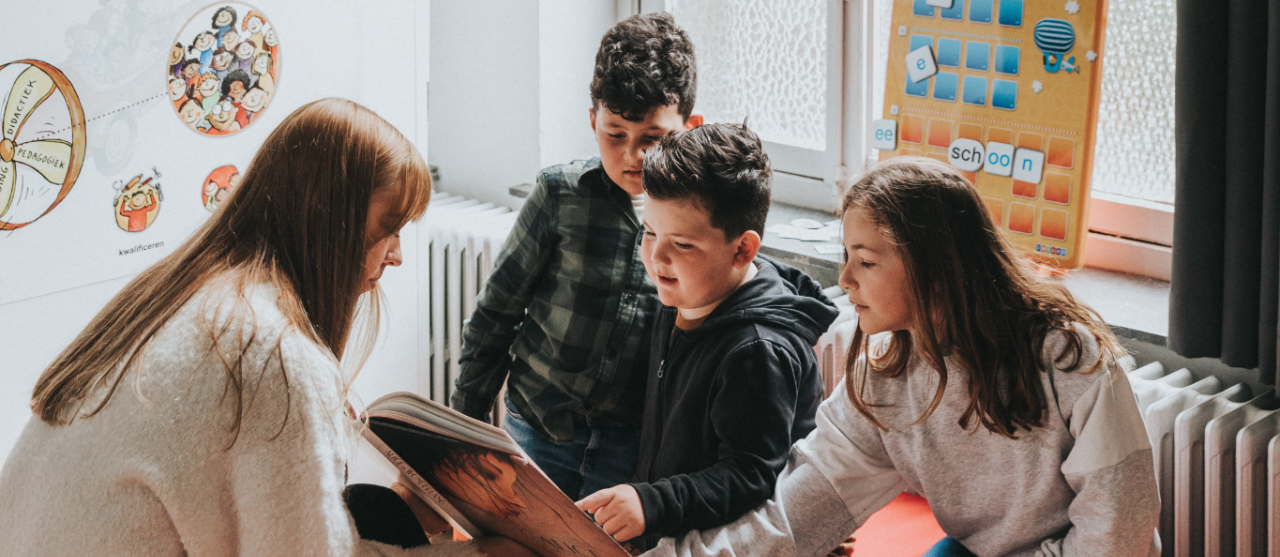
The Research Centre for Learning in Diversity aims to contribute to a society in which everyone, regardless of background, support needs or stage of life, has the best possible opportunities to learn, develop and participate fully. We seek to optimise learning — and to do so for everyone (UN Sustainable Development Goal 4).
We take diversity as a given and as a fundamental starting point for high-quality and inclusive education. Through practice-oriented and evidence-informed research, in close collaboration with education and welfare professionals and other relevant partners, we seek answers to societal challenges relating to learning, education and participation.
In this way, we contribute to the development of knowledge and practices that are not only scientifically grounded, but also relevant, applicable and sustainable in their impact on learners, professionals and society.
Follow Research Centre for Learning in Diversity on LinkedIn
Research clusters
_1280x557(3).png)

"We set ourselves apart by deliberately not focusing on a single angle: we want to approach every research theme from multiple disciplines. There's no such thing as one-size-fits-all teaching."
Delphine Sasanguie, coordinator
Get in touch with our experts

Papatya Dalkiran
Citizenship education, philosophy with children and young people, teacher education, non-confessional ethics
Sandrine De Coster
Learning disorders, dyslexia, text-to-speech software, effective reading instruction, parental guidance and psycho-education for learning disorders, interprofessional collaboration in school contexts
.png)

Jonas Dierckx
Generative Artificial Intelligence (GenAI), lesson design, student teachers, teacher educators

Maarten Floré
Youth care, context-oriented practice, school refusal, interprofessional collaboration
Eddy Hoste
Language development disorders, language stimulation, stuttering, cluttering, voice disorders, parental guidance and psycho-education within speech and language therapy, voice use for professional voice users, executive functions in children with specific developmental disorders
Lies Lockefeer
Inclusive education, interprofessional collaboration, needs-based practice, Universal Design for Learning (UDL)

Charlotte Paulyn
Inclusive education, learning disabilities, developmental language disorders, interprofessional collaboration

Lien Peters
Special educational needs, learning disabilities, inclusive education, mathematics

Benjamin Ponet
Diversity-responsive education, safe learning environments, professional development of teacher educators, school vision
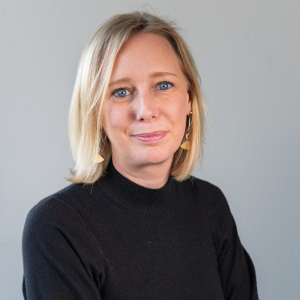
Delphine Sasanguie
Numerical and mathematical development, learning disabilities, mathematics anxiety, inclusion

Nathalie Schepens
Self-regulation learning, metacognition, co-regulation, homework support, professional learning communities, guided independent learning, formative practice and feedback
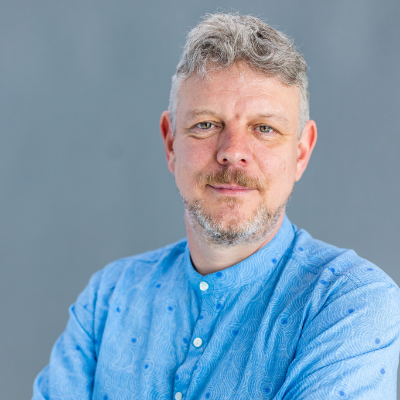
David Van Bunder
First-generation students, social mobility and education, access to education, social class and education
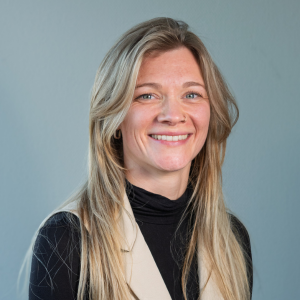
Céline Vandermaes
Access to education and social mobility, first-generation students, education–wellbeing
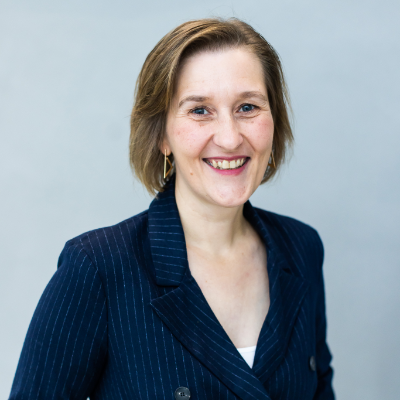
Sabine Vandevelde
Learning disorders, parental guidance and psycho-education for learning disorders, interprofessional collaboration, speech and language therapy

An Willems
Facilitating group work in a school context, communication and teamwork for science students and in a scientific professional context – Transactional Analysis (TA)